
Why Your Summer Plate Needs a Different Game Plan
Let me be honest with you: the first time I trained through a real summer, I treated food like I always had. Same heavy meals, same chai-and-biscuit habits, same barely-there water intake. By week two, my lifts were down, my head throbbed by the third set, and I felt like I was running on a dying phone battery.
The fix wasn’t more willpower. It was better summer foods for gym-goers, meaning meals that replace what the heat takes out of you and still feed muscle growth.
If you train in warm weather, you already know the feeling. You sweat sooner, tire faster, and the thought of a heavy post-workout meal makes you queasy. That’s your body telling you the rules have changed.
In this guide, I’ll walk you through everything I’ve learned about eating to stay fit and hydrated when temperatures climb. We’ll cover:
- Why heat changes your nutrition needs
- The best hydrating fruits and vegetables
- Light, protein-rich foods for recovery
- Smart carbs and fats that don’t weigh you down
- Summer drinks that actually work
- Pre- and post-workout meals, plus a full sample day
- What to cut back on, and quick answers to common questions
Whether you lift, run, do CrossFit or just hit the gym three times a week, this is your practical, no-nonsense playbook for the hot months. Let’s get into it.
How Summer Heat Changes What Your Body Needs
Hot weather doesn’t just make you uncomfortable. It changes how your body handles training, and that changes what you should eat.
You lose more fluid and minerals. When it’s hot, sweat rates climb. You lose water, but also sodium, potassium and magnesium, the minerals that keep muscles contracting and nerves firing. Even a fluid loss of around 2% of your body weight can noticeably hurt strength, endurance and focus.
Your appetite drops. Heat tends to blunt hunger, especially for heavy, greasy or very hot food. Skip meals and you under-fuel your training, which slows recovery and muscle growth.
Digestion feels slower. Large, rich meals demand a lot from your gut, and blood flow is already being diverted to your skin to keep you cool. That’s why a big plate of fried food before a summer workout can leave you sluggish or nauseous.
Recovery takes longer. Training stress plus heat stress is a double load. Good protein, quick carbs and plenty of fluid matter even more.
So the goal is simple. Eat foods that are high in water, rich in electrolytes, easy to digest and still protein-forward. The rest of this article shows you exactly how.
Hydration 101: How to Stay Hydrated While Training in Summer
Before we talk food, let’s fix the foundation. You can eat perfectly and still underperform if you’re running low on fluid.
How much should you drink?
There’s no single number that fits everyone, but sports nutrition guidelines give a useful starting point:
- Before training: roughly 400 to 600 ml of water in the two to three hours before you start.
- During training: around 150 to 250 ml every 15 to 20 minutes, adjusted to how much you sweat.
- After training: aim to replace the fluid you lost, about 1.25 to 1.5 times your sweat loss, over the next few hours. A quick way to check is to weigh yourself before and after a session.
On a regular day, drinking steadily from morning onward works far better than chugging a litre at once.
When water isn’t enough
For sessions under an hour, plain water is usually fine. If you train longer than 60 to 90 minutes, sweat heavily or see white salt marks on your shirt, you’ll also want electrolytes, especially sodium and potassium. You can get these from food and drinks such as coconut water, buttermilk, a pinch of salt in lemon water, or a proper electrolyte mix.
Signs you’re getting dehydrated
- Dark yellow urine (aim for pale straw colour)
- Headache, dizziness or unusual fatigue
- Muscle cramps
- Dry mouth, and a heart rate that runs higher than normal at the same effort
If you feel faint, confused or stop sweating in the heat, stop training, cool down and seek medical help. That’s heat illness territory, not something to push through.
About 20% of your daily fluid intake typically comes from food. That’s why water-rich foods are such a smart summer strategy, and it’s where we go next.
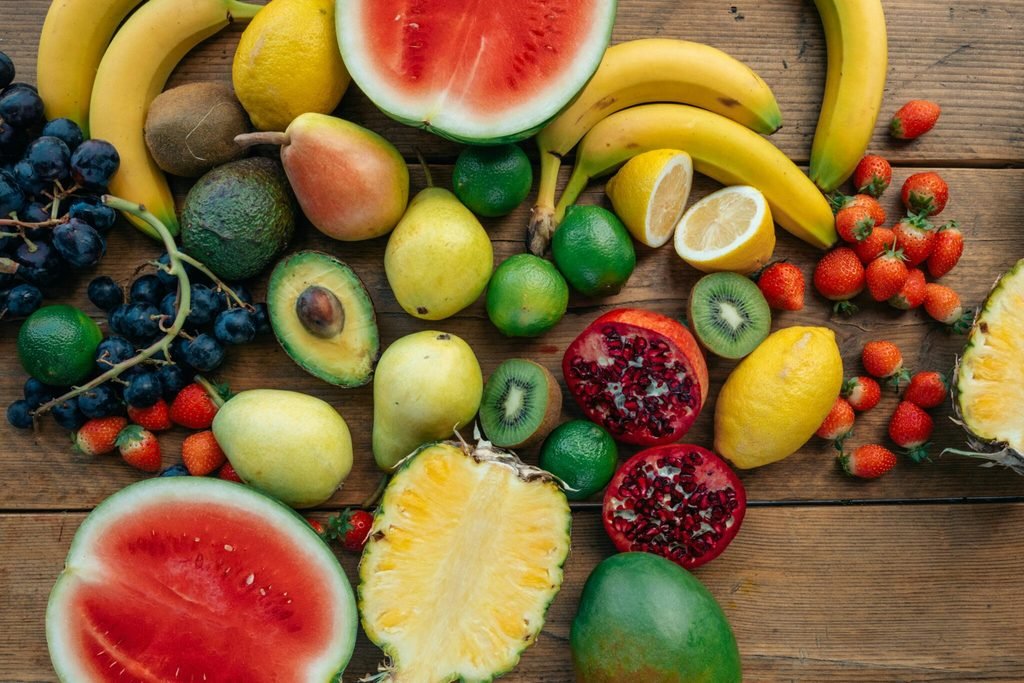
Best Hydrating Summer Fruits for Gym-Goers
Fruit is nature’s sports drink: water, natural sugars for quick energy, and potassium, all in one cold, refreshing bite. These are my go-to picks.
Watermelon (about 92% water). The classic for a reason. It’s light, sweet and contains citrulline, an amino acid linked to better blood flow and less post-workout soreness. Cube it, chill it and eat it after leg day.
Cantaloupe / muskmelon (about 90% water). Rich in potassium and vitamin C, with a gentle sweetness that sits easy on a hot stomach.
Strawberries (about 91% water). Low in calories, high in antioxidants and vitamin C. Great over Greek yogurt or blended into a smoothie.
Oranges and mosambi (about 87 to 88% water). Juicy, full of vitamin C and a reliable source of potassium. Eat them whole to keep the fibre rather than reaching for packaged juice.
Pineapple (about 86% water). Contains bromelain, an enzyme often used to support digestion. It makes a fantastic post-workout snack when you want something tangy and bright.
Peaches, plums and berries. All soft, hydrating and easy to digest, ideal when your appetite is low.
Bananas (about 75% water). Not the wettest fruit, but one of the best for pre-workout carbs and potassium. Keep a few in your gym bag.
A quick tip
Freeze grapes, berries or watermelon chunks for a cold, crunchy snack that doubles as an ice pack in your lunchbox. Whole fruit beats juice almost every time because you keep the fibre and avoid a sugar spike.
A simple target is two to three servings of fruit a day, spread across breakfast, snacks and post-workout.
Best Hydrating Vegetables and Salads for Summer Workouts
Vegetables are the quiet heroes of a summer fitness diet. They’re low in calories, loaded with micronutrients, and many are more than 90% water.
- Cucumber (about 95% water): crisp, cooling and nearly calorie-free. Slice into salads, blend into raita or just eat with a pinch of salt and chaat masala.
- Lettuce and leafy greens (about 95% water): a base for protein bowls that feel light but filling.
- Tomatoes (about 94% water): a good source of potassium and lycopene, an antioxidant that holds up well to sun exposure.
- Zucchini and bottle gourd (lauki): mild, hydrating and easy on digestion. Lauki is a classic Indian summer staple for good reason.
- Bell peppers: high in vitamin C and crunchy, great raw with hummus.
- Radish and celery: very low calorie, with a refreshing bite.
- Spinach: adds iron and magnesium, which support muscle function.
Build a better summer salad
A salad can be a real meal if you build it right. Use this formula:
- Base: leafy greens, cucumber, tomato, onion
- Protein: grilled chicken, boiled eggs, paneer, tofu or chickpeas
- Smart carb: boiled corn, quinoa or a small portion of brown rice
- Healthy fat: a few slices of avocado, a spoon of olive oil, or a handful of seeds
- Flavour: lemon juice, mint, black pepper and a little salt
This keeps you full, replaces fluids and doesn’t leave you feeling heavy. Eat it chilled or at room temperature for the best summer experience.
Light, High-Protein Foods That Won’t Weigh You Down
Heat doesn’t cancel your protein needs. Most active people do well with roughly 1.4 to 2.0 grams of protein per kilogram of body weight daily, and summer is no exception. The trick is choosing sources that are easy to digest and don’t need a hot kitchen.
| Food | Approx. protein | Why it works in summer |
|---|---|---|
| Greek yogurt (plain, 100 g) | 9 to 10 g | Cold, creamy, rich in calcium |
| Eggs (1 large) | 6 g | Quick to cook, easy to carry boiled |
| Chicken breast (cooked, 100 g) | 30 g | Lean; great grilled and served cold |
| Fish such as tuna or salmon (100 g) | 20 to 25 g | Light, plus omega-3 fats |
| Paneer (100 g) | 18 to 20 g | Vegetarian, versatile in salads and wraps |
| Tofu (firm, 100 g) | 8 to 10 g | Absorbs flavour, easy on digestion |
| Chickpeas / lentils (cooked, 100 g) | about 9 g | Plant protein plus fibre and potassium |
| Cottage cheese (100 g) | 11 to 12 g | Slow-digesting, perfect before bed |
Figures are approximate and vary by brand and preparation.
How to eat them in the heat
- Swap heavy, oily curries for grilled, baked or steamed versions.
- Make protein salads: chicken or chickpea bowls with cucumber, tomato and lemon.
- Try overnight oats or chia pudding made with Greek yogurt or milk.
- Blend a whey or plant protein smoothie with fruit and ice if solid food feels like too much after training.
- Prepare food in batches and store it chilled. Keep cooked protein refrigerated and eat it within a day or two, since warm weather speeds up spoilage.
Food safety is a real summer concern. Don’t leave eggs, dairy or cooked meat sitting in a warm gym bag for hours.
Smart Carbs and Healthy Fats for Summer Energy
Carbs are not the enemy, especially in summer. They refill the glycogen your muscles burn through, and glycogen holds water, so good carb intake actually supports hydration. The key is choosing the right kind and the right size of portion.
Carbs that work in the heat
- Oats: soak them overnight with milk or yogurt for a cold, no-cook breakfast.
- Rice, quinoa and millets (ragi, jowar, bajra): serve cooled in salads, or as curd rice, which is gentle on the stomach.
- Sweet potatoes: boil or roast, then chill for a filling, slow-release carb.
- Bananas and dates: fast fuel before a session.
- Whole grain bread or wraps: pair with eggs, paneer or hummus for a balanced snack.
- Sattu: roasted gram flour, a traditional high-protein, cooling drink that’s ideal for hot days.
Fats that feel light
You still need fat for hormones, joint health and fat-soluble vitamins. In summer, favour small portions of unsaturated fats:
- Avocado, a few slices at a time
- Nuts and seeds (almonds, walnuts, chia, flax, pumpkin seeds)
- Olive oil drizzled over salads
- Fatty fish, such as salmon or mackerel
Go easy on deep-fried snacks, heavy creamy gravies and large amounts of ghee or butter. They aren’t off limits, but they’re tougher to digest in the heat and can leave you sluggish before training.
A good rule: keep the pre-workout meal higher in carbs and lower in fat and fibre, then bring the heartier fats and fibre into your other meals.
The Best Summer Drinks for Hydration and Recovery
Water should always be your main drink. But a few other options add electrolytes, protein or flavour that makes it easier to drink enough.
Coconut water. Naturally rich in potassium, with some sodium and magnesium. It’s a great light option after a workout, though it’s lower in sodium than a dedicated electrolyte drink, so it won’t fully cover very heavy sweating.
Buttermilk (chaas / matha). Salty, cooling and mildly probiotic, with a little protein. A glass with roasted cumin and mint is hard to beat on a hot afternoon.
Lassi (lightly sweetened) or plain curd drinks. Good for protein and calcium. Keep the sugar low and the portion reasonable.
Lemon water with a pinch of salt (and a little honey if you like). A simple homemade electrolyte drink that costs almost nothing.
Infused water. Add cucumber, mint, lemon, orange slices or berries to a bottle of cold water. If you find plain water boring, this is the easiest fix.
Fruit and protein smoothies. Blend banana, berries, milk or yogurt, a scoop of protein powder and ice. It’s a full recovery meal in a glass, especially when you can’t face solid food.
Herbal and iced teas (unsweetened). Mild and refreshing, though best in moderation if you’re sensitive to caffeine.
Quick homemade electrolyte drink
Mix 500 ml cold water, the juice of half a lemon, a small pinch of salt and a teaspoon of honey. Sip it during or after longer sessions.
Note that sweet sodas, energy drinks and heavily sugared fruit juices aren’t helpful picks, which we’ll cover in a moment.
Pre-Workout and Post-Workout Summer Meal Ideas
Timing matters more in the heat. Eat too much too close to training and you’ll feel it. Eat too little and you’ll fade early.
Pre-workout (30 to 90 minutes before)
Aim for easy carbs, a little protein, and low fat and fibre. Fluids come with it.
- Banana with a small spoon of peanut butter
- Greek yogurt with berries and a drizzle of honey
- Oats soaked in milk with chopped fruit
- Toast with a thin layer of jam, or with boiled egg
- A glass of water or diluted coconut water
Training early in the morning on a very light stomach? Even half a banana and a glass of water beats going in empty.
Post-workout (within 1 to 2 hours)
Your goals are simple: rehydrate, refill carbs and rebuild muscle with protein.
- Chicken or paneer wrap with salad and curd dip
- Protein smoothie with banana, berries and milk
- Chickpea and cucumber salad with lemon, plus fruit on the side
- Egg bhurji or omelette with whole grain toast and tomato
- Curd rice with a boiled egg or a side of grilled fish
- Watermelon with cottage cheese, a surprisingly good combo
A useful target is around 20 to 40 grams of protein in your post-workout meal, along with a decent portion of carbs and a big drink of water or electrolytes.
If your appetite is gone after training, start with liquid calories like a smoothie or buttermilk, then eat a proper meal when you feel better.
A Sample Summer Meal Plan for Gym-Goers
Here’s what a full day of eating can look like when you train in the evening. Adjust portions to your body size, goals and appetite.
| Time | Meal | What’s on the plate |
|---|---|---|
| Wake-up | Hydrate | 1 to 2 glasses of water, optionally with lemon |
| Breakfast | Overnight oats | Oats, milk or yogurt, chia, banana, berries, a few almonds |
| Mid-morning | Fruit and drink | Watermelon or orange, plus a glass of chaas |
| Lunch | Protein bowl | Grilled chicken or paneer, quinoa or rice, cucumber-tomato salad, curd |
| Afternoon | Snack | Greek yogurt with fruit, or roasted chickpeas, plus water or coconut water |
| Pre-workout | Light fuel | Banana with a small spoon of peanut butter, plus water |
| Post-workout | Recovery shake or meal | Protein smoothie, or egg wrap with salad and fruit |
| Dinner | Light and balanced | Grilled fish or tofu, sauteed vegetables, small portion of rice or roti, side salad |
| Before bed | Optional | Cottage cheese or a glass of milk |
Spread your water intake across the day, and aim for pale-yellow urine as your guide. If you sweat heavily, add a pinch of salt to one or two of your drinks.
Foods and Drinks to Limit in Hot Weather
You don’t need to be perfect, but a few things work against you in summer:
- Sugary sodas and energy drinks. They can leave you thirsty and offer little beyond sugar and caffeine.
- Excess alcohol. It increases fluid loss and disrupts recovery and sleep.
- Deep-fried and very oily food. Heavy to digest, and it can make training feel miserable.
- Very salty packaged snacks. A little salt helps; a lot of processed snacks just adds sodium without the nutrients.
- Too much caffeine. A coffee is fine, but several cups on a hot day can hurt sleep and leave you jittery.
- Street food of uncertain hygiene. Heat accelerates food spoilage. A stomach bug can wipe out a week of training.
Smart Summer Training Tips
Food works best when your habits support it:
- Train at cooler times. Early morning or later in the evening is easier on your body than midday.
- Carry a water bottle everywhere. If it’s within reach, you’ll drink it.
- Wear light, breathable clothing. It helps sweat evaporate and keeps your core temperature down.
- Ease into heat. It takes one to two weeks for your body to adapt, so reduce intensity at first.
- Listen to your body. Dizziness, nausea or confusion mean stop, cool down and rehydrate.
- Prioritise sleep. Recovery is when the real gains happen, and heat can disrupt rest, so keep your room cool.
Frequently Asked Questions
What are the best foods to eat before a summer workout?
Light, carb-based options like a banana, oats, toast with jam, or yogurt with fruit. Keep fat and fibre low so your stomach stays comfortable.
Which fruits hydrate you the most?
Watermelon, strawberries, cantaloupe, oranges and pineapple are all around 85 to 92% water. Cucumber and tomatoes lead among vegetables.
Is coconut water better than a sports drink?
It depends. Coconut water is a natural source of potassium and works well for light to moderate sessions. For long or very sweaty workouts, a drink with more sodium is usually more effective.
How much water should a gym-goer drink in summer?
Most people need more than the standard 2 to 3 litres, but the exact amount depends on your size, sweat rate and training length. Use urine colour and body-weight change around sessions as your guide.
Can I still build muscle in summer?
Absolutely. Keep protein high, eat enough overall calories, hydrate well and prioritise sleep. If your appetite drops, use smoothies and lighter, more frequent meals to hit your targets.
Should I take electrolyte supplements?
For workouts under an hour, food and water are usually enough. For longer or very heavy-sweat sessions, an electrolyte drink or a homemade version can help.
Final Thoughts: Eat Smart, Train Hard, Stay Cool
Summer doesn’t have to wreck your progress. When you eat water-rich fruits and vegetables, choose light and high-protein foods, use smart carbs for energy, and drink consistently, you give your body everything it needs to perform in the heat.
Start small. Add one hydrating fruit to your day, swap one heavy meal for a protein salad, and carry a bottle with you everywhere. Small changes stack up fast.
If this guide helped, share it with your gym buddy, and tell me in the comments which summer food is your personal favourite. Stay fit, stay hydrated, and see you in the next one.
Disclaimer: This article is for general information and isn’t a substitute for personalised medical or nutrition advice. If you have a health condition, take medication, or are pregnant, check with a doctor or registered dietitian before changing your diet or hydration plan.
— V Tarsem