
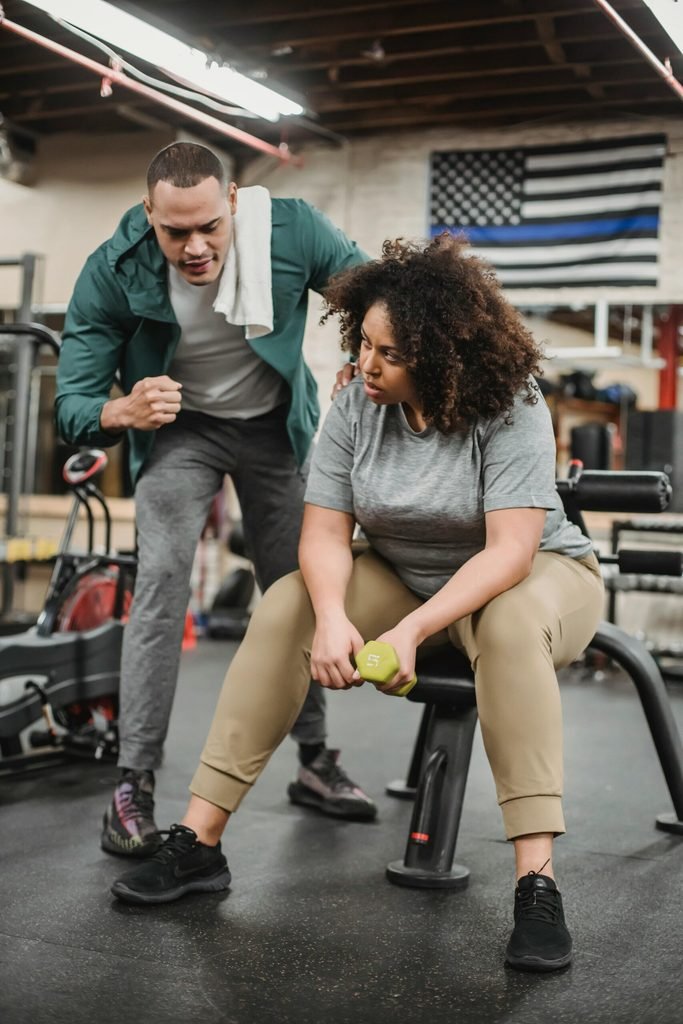
You Joined the Gym. So Why Is the Scale Going Up?
It’s one of the most frustrating moments in any fitness journey. You pay the membership fee, show up four days a week, sweat through every session, and then you step on the scale and it says you’re heavier than when you started.
I’ve heard this story from friends, readers and honestly from my own early training days. The first reaction is almost always the same: “Is the gym making me fat?”
Here’s the short answer. No, the gym isn’t making you gain weight. But something in your routine, your food, your recovery or your body’s response to training might be. And in many cases, the number on the scale isn’t telling the full story.
In this 2026 guide, I’ll break down exactly why you’re gaining weight even after joining the gym, and, more importantly, what to do about it. We’ll cover:
- Why early weight gain is often water and muscle, not fat
- Eight common reasons the scale keeps climbing
- Medical and hormonal factors worth checking
- How to tell fat gain from muscle gain
- A simple, step-by-step plan to get back on track
- Answers to the questions I get asked most
If you’re feeling discouraged, take a breath. Almost everyone who trains hits this wall at some point, and almost every cause is fixable. Let’s figure out which one applies to you.
First, Is It Actually Fat? Why the Scale Can Mislead You
Before you panic, understand this: body weight and body fat are not the same thing. In the first few weeks of training, your weight can rise for completely normal reasons.
Water retention from muscle repair. When you start lifting, tiny tears form in your muscle fibres. Your body responds with inflammation and fluid to repair them. This can add a kilo or two of water weight that has nothing to do with fat.
More glycogen storage. Your muscles store carbohydrate as glycogen, and each gram of glycogen holds roughly three grams of water. As you train and eat carbs, your muscles store more, so the scale rises.
Early muscle gain. Beginners can build muscle surprisingly quickly. Muscle is denser than fat, so you can look leaner and feel stronger while the scale barely moves, or even climbs.
Normal daily fluctuation. Your weight can swing by one to two kilograms in a single day because of salt, hydration, digestion, stress and, for women, the menstrual cycle.
The key takeaway: if you’ve been training for less than four to six weeks and your clothes still fit the same or better, a small weight increase is often not fat gain. Give it time, and judge progress by more than the scale. I’ll show you exactly how later in this guide.
But if the weight keeps rising month after month, your waist is growing and your energy is dropping, something else is going on. Let’s look at the real culprits.
Reason 1: You’re Eating More Than You Realise
This is the number one cause, and it’s the one people resist most. Fat gain comes down to a sustained calorie surplus, and starting a gym routine often quietly pushes your intake up.
Why does this happen?
- Training makes you hungrier. Exercise can raise appetite, especially for carbs and sugary foods.
- “Healthy” foods are calorie-dense. Nuts, nut butters, granola, smoothies, avocado, olive oil and protein bars can add hundreds of calories without feeling like much.
- Liquid calories slip by. Sweetened coffees, juices, lassi, protein shakes with added sugar and sports drinks barely register on your fullness scale.
- Portion creep. Because you’re working out, a bigger plate starts to feel justified.
- Weekend eating. Five disciplined days can be wiped out by two days of unlogged meals and snacks.
Here’s a quick example. A single tablespoon of peanut butter is roughly 90 to 100 calories. Most people scoop two or three without thinking. Add a banana, a latte and a granola bar, and you’ve added an extra 500 calories before dinner.
The fix isn’t to starve. It’s to measure honestly for a couple of weeks. Track your food in an app, weigh a few calorie-dense items, and see where the extra calories are hiding. Most people are surprised.
Reason 2: You’re Overestimating How Many Calories You Burn
A hard workout feels like it should burn a ton of calories. In reality, it usually burns less than you think.
A moderate 45-minute strength session might burn somewhere around 200 to 350 calories for many people. That’s roughly one large chai-and-biscuit break, or half a restaurant dessert. Cardio machines and fitness trackers also tend to overstate calorie burn, sometimes by a wide margin.
This leads to the classic reward trap:
- You finish a session feeling proud.
- You decide you “earned” a big meal, a cold drink or a sweet treat.
- The treat is larger than the calories you burned.
- Net result: a surplus, and a rising scale.
Exercise is fantastic for your health, strength and body composition. But on its own, it rarely outweighs a poor diet. As the old saying goes, you can’t out-train a bad diet. Treat your workout as the reason to eat well, not as permission to eat everything.
Reason 3: Too Little Protein and Too Much Ultra-Processed Food
Protein keeps you full, protects your muscle and takes more energy to digest than carbs or fat. If your diet is low in protein and high in refined carbs, sugary snacks and packaged foods, you’ll feel hungrier, eat more and recover worse.
Most people who train regularly do well with roughly 1.4 to 2.0 grams of protein per kilogram of body weight per day. Many gym-goers, especially vegetarians, fall well short of that.
Ultra-processed foods make it worse. They’re engineered to be easy to overeat, low in fibre and quick to digest. A diet built on biscuits, instant noodles, chips and sweet drinks can easily push you into a surplus, even if you “don’t eat that much.”
What to do: build each meal around a protein source (eggs, dal, paneer, chicken, fish, tofu, Greek yogurt), add vegetables for fibre, and choose mostly whole, minimally processed foods.
Reason 4: Poor Sleep and Chronic Stress
You can eat well and train hard and still struggle if your sleep and stress are out of control.
When you sleep poorly, your body shifts the balance of hunger hormones: ghrelin, which increases appetite, tends to rise, while leptin, which signals fullness, tends to fall. Studies consistently link short sleep to higher calorie intake and stronger cravings for sugary, fatty food. You also have less energy and willpower for the next workout.
Chronic stress adds another layer. Elevated cortisol can encourage fat storage around the midsection, drive emotional eating and disrupt sleep further, creating a vicious cycle.
What to do:
- Aim for 7 to 9 hours of sleep and keep a consistent bedtime.
- Cut screens and caffeine in the last hour or two before bed.
- Build in recovery days and avoid training hard every single day.
- Try walking, stretching, breathing exercises or any stress outlet you’ll actually do.
Reason 5: You’re Moving Less Outside the Gym
Here’s a sneaky one. After an intense workout, many people unconsciously move less for the rest of the day. They take the lift instead of the stairs, sit longer, skip the evening walk and flop onto the sofa.
This everyday background movement is called NEAT (non-exercise activity thermogenesis), and it can account for hundreds of calories a day. If your hour in the gym is offset by ten extra hours of sitting, your total daily burn may not increase at all.
What to do: set a daily step target (7,000 to 10,000 is a good range for most people), stand and stretch every hour if you have a desk job, and take short walks after meals. They’re simple habits with a big payoff.
Reason 6: Your Training Itself Needs Work
Showing up is step one. But how you train decides what your body does with all that effort.
No progressive overload. If you lift the same weights for the same reps month after month, your body has no reason to change. Muscle grows when you gradually increase weight, reps or difficulty over time. Keep a workout log and aim to beat last week, even slightly.
Random, unstructured sessions. Jumping between machines without a plan rarely produces results. Follow a structured programme, such as full body three times a week or an upper/lower split, built around compound lifts like squats, deadlifts, presses and rows.
Doing only light cardio. An hour on the treadmill at an easy pace burns fewer calories than most people assume and does little to build muscle. Balance it with strength training.
Inconsistency. Two good weeks followed by a week off, then repeating the cycle, produces very little change. Consistency beats intensity.
Overtraining. Training hard six or seven days a week without enough rest or food can raise stress hormones, wreck sleep and stall progress.
The fix is simple, not easy: follow a proven plan, lift with effort, progress gradually and rest properly.
Reason 7: Supplements and Accidental Bulking
Some people join a gym and immediately start a “bulk” because they want to look bigger. They add mass gainers, extra shakes and big meals, but their training isn’t hard enough to turn that surplus into muscle. The result is mostly fat.
Watch out for:
- Mass gainers, which can contain 600 to 1,200 calories per serving
- Protein bars and shakes treated as “free” extras instead of counted calories
- Eating “clean” but in huge amounts
If you’re a beginner, a small, controlled surplus (or even maintenance calories) is usually enough to build muscle. Gaining more than around 0.25 to 0.5 kg per week is likely mostly fat.
Reason 8: Medical and Hormonal Factors Worth Checking
Sometimes the cause isn’t about willpower at all. If you’ve fixed your diet, sleep and training and the weight still climbs steadily, speak to a doctor. Possible contributors include:
- Thyroid issues, such as hypothyroidism, which can slow metabolism
- PCOS (polycystic ovary syndrome), linked to insulin resistance and weight gain
- Insulin resistance or prediabetes
- Certain medications, including some antidepressants, steroids, antipsychotics and hormonal treatments
- Fluid retention related to hormones, kidney, heart or other conditions
- Cushing’s syndrome, which is rare but worth knowing about
Signs that deserve a medical check include rapid unexplained gain, swelling in the legs or face, extreme fatigue, hair loss, irregular periods or feeling cold all the time. A simple blood test can often give answers. Don’t self-diagnose, and don’t stop any medication on your own.
How to Tell Fat Gain From Muscle Gain or Water Weight
The scale can’t separate fat, muscle and water, so use several signals together.
| Signal | Likely muscle or water | Likely fat gain |
|---|---|---|
| Waist measurement | Same or smaller | Steadily increasing |
| Clothes fit | Looser at waist, tighter at shoulders, arms or thighs | Tighter around waist and hips |
| Strength | Weights and reps going up | Flat or declining |
| Speed of change | Sudden jump in the first 2 to 4 weeks, then it levels off | Slow, steady climb over months |
| Mirror and photos | More definition, firmer look | Softer, rounder look |
| Energy and recovery | Good or improving | Sluggish, poor sleep, low energy |
Take photos and waist measurements every two weeks in the same lighting and clothing. They tell you far more than daily weigh-ins ever will.
Your Step-by-Step Fix Plan
If the scale is climbing and your waist is growing, here’s the plan I’d follow.
- Track everything for two weeks. Log all food and drinks honestly, including weekends. This alone reveals most problems.
- Set a modest calorie target. For fat loss, aim for a deficit of roughly 300 to 500 calories below maintenance. For gaining muscle, a surplus of only 200 to 300 is enough.
- Prioritise protein. Target about 1.6 to 2.0 grams per kilogram of body weight spread across 3 to 4 meals.
- Fill your plate with whole foods. Vegetables, fruit, dal, lean meats, eggs, curd, whole grains and legumes should carry most of your diet.
- Cut liquid calories. Swap sugary coffee, juice, soda and sweetened shakes for water, black coffee, unsweetened tea or buttermilk.
- Follow a proper programme. Lift three to four times a week with progressive overload, and add one or two easy cardio sessions.
- Raise your daily steps. Aim for 7,000 to 10,000 a day.
- Protect your sleep. Seven to nine hours, same schedule every day.
- Be patient and consistent. Judge results over four to eight weeks, not day to day.
- Get checked if nothing changes. If you’ve done all of this and still see unexplained gain, book a blood test and a doctor’s visit.
What to Track and a Realistic 12-Week Timeline
Good tracking keeps you calm and in control. Each week, note:
- Average weekly body weight (weigh daily, then take the average, because it smooths out noise)
- Waist measurement and progress photos every two weeks
- Strength numbers from your workout log
- Daily steps, sleep hours and rough protein intake
As for what to expect:
- Weeks 1 to 4: weight may bounce up or stay flat while your body adapts. Focus on habits.
- Weeks 4 to 8: energy, strength and fit of clothes start to improve.
- Weeks 8 to 12: visible changes in shape and body composition become much clearer.
A healthy fat-loss pace is around 0.25 to 0.75 kg per week. Anything faster is hard to sustain.
Frequently Asked Questions
Is it normal to gain weight in the first month at the gym?
Yes. Water retention, glycogen storage and early muscle gain can raise your weight by one to three kilograms without any real fat gain. It often settles after a few weeks.
Why is my stomach getting bigger even though I work out?
Possible causes include a calorie surplus, bloating from new foods or supplements, water retention, stress, poor sleep or, occasionally, a medical issue. Track waist measurements and food intake to pinpoint the cause.
Can too much cardio make you gain weight?
Indirectly, yes. Heavy cardio can spike hunger, and some people overeat afterwards. It can also cut into recovery and sleep. Balance it with strength training and keep an eye on food intake.
How long does it take to see results from the gym?
Most people notice improvements in energy and strength within two to four weeks, and visible changes in four to twelve weeks, depending on consistency, nutrition and starting point.
Should I stop weighing myself?
Not necessarily, but don’t rely on it alone. Use weekly averages, photos, waist measurements and strength progress together.
Do protein shakes make you gain weight?
Only if they push you above your daily calorie needs. A plain whey or plant protein scoop is about 100 to 130 calories. Shakes loaded with milk, sugar, banana and nut butter can top 500.
Final Thoughts: Don’t Quit, Adjust
Gaining weight after joining the gym can feel like a betrayal. But in most cases, it’s a signal rather than a failure. Sometimes it’s water and muscle. Sometimes it’s hidden calories, poor sleep, low movement or a training plan that needs work. And occasionally, it’s something your doctor should look at.
Stay consistent, track the right things and change one habit at a time. Your body responds to patterns, not to a single bad week.
If this guide helped, share it with a friend who’s feeling stuck, and drop a comment telling me which reason hit closest to home for you. I read every one. See you in the next post.
Disclaimer: This article is for general information and isn’t a substitute for personalised medical or nutrition advice. If you have a health condition, take medication or notice unexplained weight changes, please consult a qualified doctor or registered dietitian.
— V Tarsem