
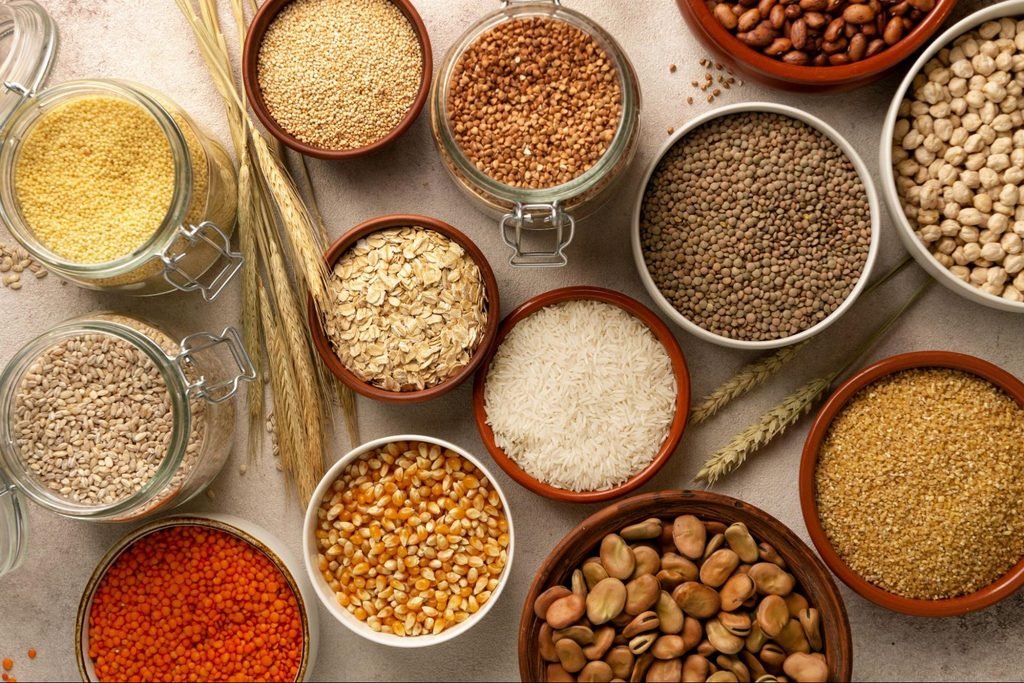
The Ancient Grain Everyone Is Talking About Again
Growing up, I remember bajra rotis on cold mornings and ragi porridge on hot ones. Back then, nobody called them “superfoods.” They were just what our grandparents ate, and they stayed strong, lean and active well into old age.
Fast forward to today. Polished rice, refined flour and packaged breakfast cereals dominate our plates, while rising weight, blood sugar problems and low energy have become common. And what’s quietly making a comeback in kitchens, gyms and nutritionists’ plans? Millets.
If you’re looking for a simple, affordable and delicious way to support fitness and weight loss, millets deserve a spot in your diet. They’re rich in fibre, packed with minerals, naturally gluten-free and kind to your blood sugar.
In this guide, I’ll walk you through:
- What millets are and the main types
- Their nutrition profile, explained simply
- How millets help with weight loss and fitness
- Millets compared with rice and wheat
- Cooking tips, easy recipes and a sample day of eating
- Who should be careful, plus answers to common questions
I’ll also be honest about where the hype ends. Millets are excellent, but they aren’t magic. Let’s separate fact from marketing and get you cooking.
What Are Millets?
Millets are a group of small-seeded grasses grown as cereal crops, many of them for thousands of years across Asia and Africa. They’re hardy, need little water and grow in poor soil, which is why they’re often called “climate-smart” crops.
India is one of the world’s largest producers, and the United Nations declared 2023 the International Year of Millets to raise awareness of their nutritional and environmental benefits. Since then, they’ve shown up in supermarkets, restaurants and fitness plans around the world.
Millets are usually split into two groups:
- Major millets: sorghum (jowar), pearl millet (bajra) and finger millet (ragi)
- Minor millets: foxtail, little, kodo, barnyard, proso and browntop millets
Unlike refined white rice or maida, millets are typically eaten as whole grains, which means you get the fibre, minerals and plant compounds that polishing strips away.
Types of Millets and What Each One Does Best
Each millet has its own flavour, texture and strengths. Here’s a quick guide.
| Millet | Common Indian name | Standout benefit | Best for |
|---|---|---|---|
| Finger millet | Ragi / Nachni | Very high in calcium | Porridge, dosa, rotis |
| Pearl millet | Bajra | Rich in iron and magnesium | Rotis, khichdi (great in winter) |
| Sorghum | Jowar | Good fibre and protein | Rotis, bhakri, flour mixes |
| Foxtail millet | Kangni / Thinai | Higher protein, mild taste | Rice replacement, upma |
| Little millet | Kutki / Samai | Easy to digest, light | Pulao, khichdi, kheer |
| Kodo millet | Kodo / Varagu | High in fibre | Rice replacement, curd rice |
| Barnyard millet | Sanwa / Jhangora | Low in calories, fasting-friendly | Khichdi, kheer, upma |
| Proso millet | Cheena / Barri | Good protein, light flavour | Porridge, salads |
If you’re new to millets, start with foxtail or little millet as a swap for rice and ragi or jowar for rotis and breakfasts. They’re mild, easy to find and forgiving to cook.
Millets Nutrition: What’s Actually Inside
Exact numbers vary by millet type, variety and how it’s processed, but here’s the general picture for most millets.
- Fibre: many millets provide several grams of fibre per 100 g of dry grain, usually more than polished rice. Fibre keeps you full and supports digestion.
- Protein: roughly 6 to 12 g per 100 g of dry grain, depending on the millet. Foxtail and proso are often on the higher side.
- Carbohydrates: mostly complex carbs that tend to digest more slowly than refined grains.
- Minerals: ragi stands out for calcium (a few hundred milligrams per 100 g), bajra for iron and magnesium, and many millets supply phosphorus, zinc and potassium.
- B vitamins: including niacin, thiamine and folate in useful amounts.
- Antioxidants: polyphenols and phenolic compounds, especially in darker millets like ragi and sorghum.
- Gluten-free: naturally free of gluten, which makes millets a popular option for people avoiding wheat.
Glycaemic response
Many millets have a lower to moderate glycaemic index than polished white rice, though it varies by type and how you prepare them. In plain terms, they usually raise blood sugar more gradually. That steady release is part of why they help with appetite control and energy.
A small caveat: millet protein isn’t “complete” on its own, since it’s lower in the amino acid lysine. That’s easy to solve by pairing millets with dal, legumes, dairy, eggs or tofu, as Indian meals traditionally do.
How Millets Help With Weight Loss
Weight loss comes down to a sustained calorie deficit. Millets don’t burn fat on their own, but they make that deficit easier to live with.
1. They keep you full longer. Fibre and slower digestion mean you feel satisfied after a meal, which helps you avoid snacking and overeating.
2. They support steadier energy. Because many millets digest more gradually than refined grains, you’re less likely to get the sharp energy crash that triggers cravings.
3. They’re nutrient dense. When you eat fewer calories, you still need vitamins and minerals. Millets deliver more nutrition per bite than white rice or refined flour.
4. They replace refined carbs easily. Swapping white rice, maida rotis or sugary cereal for millets is one of the simplest ways to improve diet quality without feeling deprived.
5. They’re versatile. From upma and dosa to khichdi, rotis and salads, millets slot into familiar meals, so the habit is easy to keep.
The honest reality check
Millets are not a magic fat burner, and they’re not low in calories. Cooked millet has a similar energy density to cooked rice, so portion size still matters. A fistful or a cup of cooked millet per meal is a good starting point for most people.
Research on millets and weight loss is promising but still developing, and many studies are small. The best way to see results is to use millets to replace refined grains, keep protein high, add plenty of vegetables and stay active. Think of millets as a smart tool in the toolbox, not the whole toolbox.
Millets for Fitness, Strength and Recovery
If you train, you need more than weight-loss help. You need fuel, recovery and strong bones and muscles. Millets contribute in several ways.
Slow-release energy for workouts. Eaten two to three hours before training, a millet-based meal such as ragi porridge or foxtail millet upma gives steady carbs without the heaviness of a large wheat or rice meal.
Minerals for muscles and bones. Magnesium supports muscle contraction and relaxation, calcium (especially from ragi) supports bone health, and iron helps carry oxygen to working muscles.
Glycogen refuelling. After training, your muscles need carbohydrates to refill glycogen. A bowl of millet khichdi with dal is a wholesome, easy-to-digest option.
Plant protein support. Millets provide some protein, but they won’t replace your main protein sources. Pair them with dal, paneer, eggs, chicken, fish, curd or tofu to build a complete amino acid profile and meet your daily target.
Gluten-free option. For athletes who feel bloated after wheat, millets are a comfortable alternative.
A simple pre-workout idea is ragi porridge with milk and a banana. A good post-workout plate is jowar roti or foxtail millet with dal, sauteed vegetables and a protein side.
Blood Sugar, Heart and Gut Health
Millets offer benefits beyond the scale and the gym.
Blood sugar. Because many millets have a lower glycaemic response than polished rice and refined flour, they’re often recommended as part of a diet for people managing blood sugar. Studies suggest benefits, but results vary by millet type, preparation and portion. If you have diabetes, talk to your doctor or dietitian before changing your diet or medication.
Heart health. The fibre, magnesium and antioxidants in millets may support healthy cholesterol and blood pressure as part of an overall balanced diet.
Digestive health. The fibre in millets feeds your gut bacteria and helps keep digestion regular. Increase your intake gradually and drink enough water so you don’t feel bloated.
Variety and sustainability. Millets add diversity to a grain-heavy diet and require far less water than rice or wheat, which makes them a smart choice for the planet too.
Millets vs Rice vs Wheat: How Do They Compare?
Here’s a simple side-by-side. These are general patterns, not exact values for every variety.
| Feature | Millets (whole) | White rice (polished) | Refined wheat flour |
|---|---|---|---|
| Fibre | Higher | Low | Low |
| Mineral density | Higher (calcium, iron, magnesium) | Low | Low to moderate |
| Glycaemic response | Often lower to moderate | Often higher | Moderate to high |
| Gluten | Gluten-free | Gluten-free | Contains gluten |
| Calories (cooked) | Similar to rice | Similar | Similar |
| Satiety | Usually higher | Lower | Moderate |
| Water needed to grow | Very low | High | Moderate |
The takeaway: millets aren’t dramatically lower in calories. Their advantage is quality, giving you more fibre and nutrients for the same energy.
How to Cook Millets (Without Making Them Mushy or Bland)
Millets are easy once you know a few tricks.
- Rinse well. Wash the grains two or three times under running water.
- Soak. Soak small millets (foxtail, little, kodo, barnyard) for 30 minutes to 2 hours, and ragi, bajra or jowar grains for 4 to 8 hours or overnight. Soaking improves softness, digestibility and mineral absorption.
- Use the right ratio. For most small millets, use about 1 part millet to 2 to 2.5 parts water. Larger grains like jowar need more water and longer cooking.
- Dry roast for flavour. Toast the dry grains for a few minutes before cooking for a nutty, fluffier result.
- Cook gently. Simmer on low heat until the water is absorbed, then rest the pot covered for 10 minutes.
- Add flavour. Millets are mild, so season boldly with tempering, spices, herbs, lemon, vegetables and ghee or oil in small amounts.
Quick tips
- Mix millet flour with wheat or besan if rotis crack. Add warm water and knead well.
- Ferment ragi or millet batter for dosa and idli to improve taste and digestibility.
- Start by replacing half your rice with millets and increase gradually.
Easy Millet Meal Ideas and a Sample Day
Breakfast ideas
- Ragi porridge with milk and fruit
- Foxtail millet upma loaded with vegetables
- Ragi or millet dosa with sambar
- Millet and fruit smoothie bowl
Lunch ideas
- Jowar or bajra roti with dal and sabzi
- Foxtail or little millet pulao with curd and salad
- Kodo millet curd rice
- Millet salad with chickpeas, cucumber, tomato and lemon
Dinner ideas
- Bajra khichdi with vegetables and a protein side
- Barnyard millet kheer for a light, fasting-friendly dessert
- Millet-stuffed peppers or vegetable bowls
A sample day of eating
| Meal | What’s on the plate |
|---|---|
| Breakfast | Vegetable foxtail millet upma, boiled egg or curd |
| Mid-morning | Fruit and a handful of nuts |
| Lunch | 1 to 2 jowar rotis, dal, sauteed vegetables, salad |
| Evening / pre-workout | Ragi porridge with banana, or fruit and curd |
| Post-workout | Protein shake or paneer or egg wrap, plus fruit |
| Dinner | Little millet khichdi with vegetables and a protein side |
Adjust portions to your size, goals and activity level.
Who Should Be Careful, and Mistakes to Avoid
Millets are safe and healthy for most people, but a few points are worth knowing.
- Thyroid conditions. Millets contain natural compounds called goitrogens that may interfere with thyroid function in large amounts, particularly if iodine intake is low. If you have a thyroid condition, ask your doctor how much millet suits you.
- Kidney issues. Some millets, including ragi, contain oxalates. People prone to kidney stones or with kidney disease should check with their doctor.
- Blood sugar medication. If you take diabetes medication, monitor your levels as your diet changes and speak to your healthcare provider.
- Digestive adjustment. Jumping from low to high fibre overnight can cause gas or bloating. Increase slowly and drink water.
Common mistakes:
- Eating huge portions because millets are “healthy”
- Skipping protein and vegetables on the plate
- Eating only one millet type forever. Rotate for variety.
- Choosing packaged “millet” biscuits and snacks high in sugar, refined flour or oil
- Not soaking, which leads to hard-to-digest meals
Buying and Storing Millets
- Choose whole millets or good-quality flour with no added fillers, and check the packaging date.
- Pick grains that look clean and smell fresh, not musty.
- Store in airtight containers in a cool, dry place. Whole grains last longer than flour.
- Keep millet flours, especially ragi and bajra, in the fridge in hot weather, and use within a few weeks because the natural oils can turn rancid.
Frequently Asked Questions
Are millets good for weight loss?
They can help. Their fibre and slower digestion support fullness and appetite control, but you still need a calorie deficit and sensible portions.
Which millet is best for weight loss?
There’s no single winner. Foxtail, kodo, little and barnyard millets are popular picks because they’re light and fibre-rich, while ragi and jowar are excellent for rotis and breakfasts. Rotate them.
Can I eat millets every day?
Most people can, in moderate portions, and rotating types is wise. If you have a thyroid or kidney condition, check with your doctor first.
Are millets better than rice?
Whole millets generally offer more fibre and minerals and a gentler blood sugar response than polished white rice. Calories are similar, so portion size still matters.
Do millets have protein?
Yes, usually 6 to 12 g per 100 g of dry grain, but it isn’t a complete protein. Pair millets with dal, dairy, eggs or other protein sources.
How much millet should I eat in a day?
A common starting point is one cup cooked (about 150 to 200 g) per meal, adjusted to your needs. Build the rest of your plate with protein and vegetables.
Final Thoughts: Small Grains, Big Impact
Millets earn their “superfood” reputation not through hype but through simple, solid nutrition: more fibre, more minerals, a gentler effect on blood sugar and plenty of flavour once you learn to cook them well. For anyone chasing fitness and weight loss, they’re a practical, affordable upgrade over refined grains.
Start small. Swap half your rice for foxtail millet this week, try a ragi breakfast, make a jowar roti with dinner. Build from there.
If this guide helped, share it with a friend who wants to eat better, and tell me in the comments which millet you’ll try first. I read every one. See you in the next post.
Disclaimer: This article is for general information and isn’t a substitute for personalised medical or nutrition advice. If you have a health condition, take medication or are pregnant, consult a doctor or registered dietitian before making major dietary changes.
— V Tarsem